Commodity Prices: Oil Above $106, Gold Eyes CPI, Wind Surges
Commodity prices on Oct. 14: oil climbs above $106 on Iran tanker threats, gold tests support ahead of US CPI, and New England wind output jumps 68%.
| Item | Figure |
|---|---|
| Oil price level reported | Above $106 |
| Gold support zones cited by analysts | $4,140, $4,156, $4,170 |
| Gold resistance zone cited | $4,270 |
| ISO-NE wind generation, Jan–Sep 2026 vs. same period 2025 | +68% (monthly average) |
Commodity prices opened the midweek session with energy and precious metals pulling in different directions, according to Investing.com market commentary published Wednesday. Oil is being driven by geopolitical risk in the Gulf region, while gold and silver are trading with an eye on US inflation data and the Federal Reserve’s rate path. Separately, the US Energy Information Administration reported a sharp rise in wind output in New England.
Key takeaways
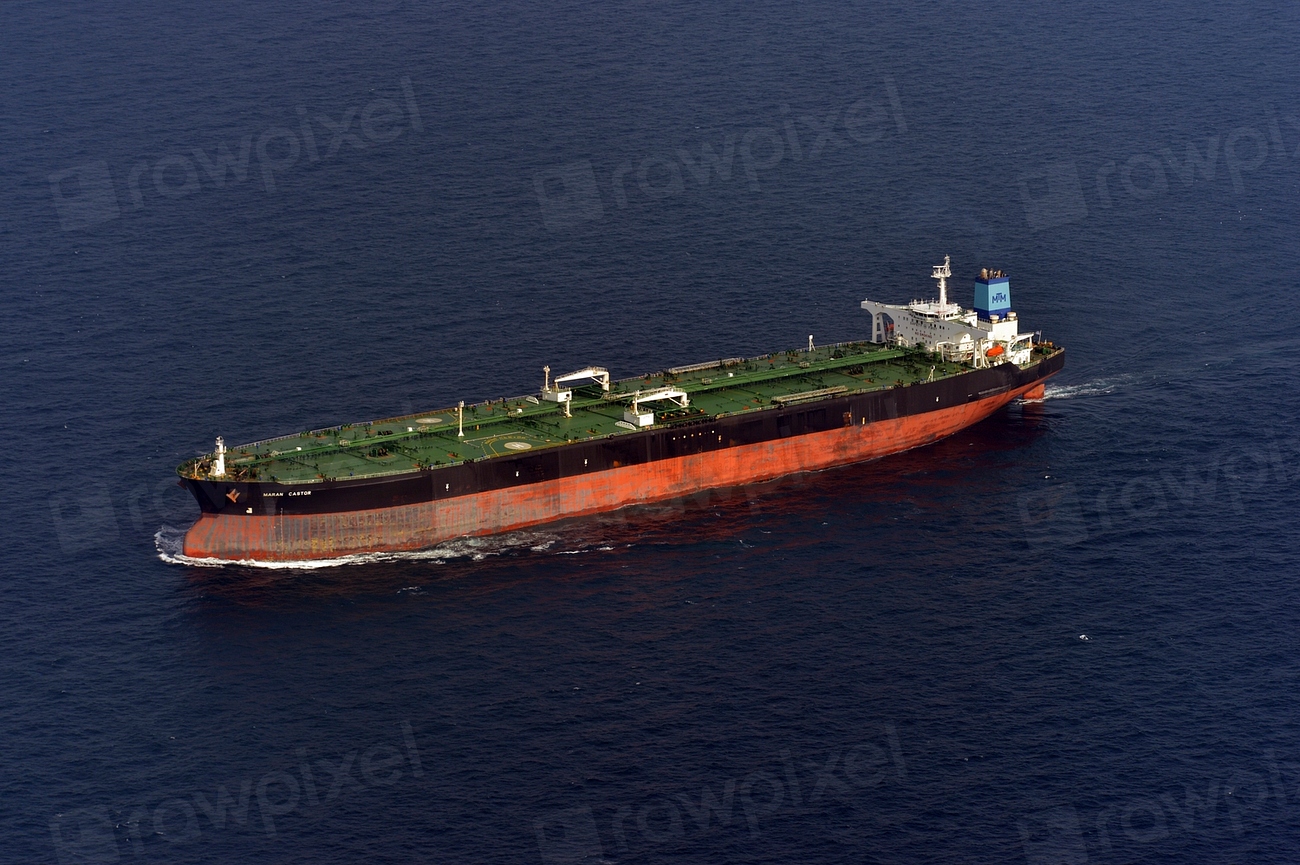
- Oil has climbed above $106, with Iran threatening further attacks on tankers, per Investing.com.
- Gold is testing support, and analysts are watching the $4,140 to $4,270 range around the US CPI report.
- Gold is also contending with Middle East tensions and bets on a Fed rate hike, Investing.com reports.
- The EIA says ISO-NE wind generation averaged 68% higher in the first nine months of 2026 than a year earlier.
Oil: crude oil futures react to tanker threats
Oil prices moved above $106, according to Investing.com, as Iran threatened additional attacks on tankers. The reported level and the cause point to a market pricing in supply-route risk rather than demand changes. Threats to shipping tend to feed through quickly into crude oil futures, as traders weigh the chance of disrupted cargoes and higher freight and insurance costs.
Those most exposed are refiners, importers and airlines, which buy fuel on a spot or short-term basis. Producers outside the affected region may benefit from the higher price level, though that depends on logistics and contract terms.
What to watch: whether the threats turn into actual incidents involving vessels, and whether the $106 level holds in later sessions.
Gold: support tested ahead of CPI
Several Investing.com analysis pieces on Wednesday centered on gold, and they converge on a narrow band of levels. One highlights $4,140 and $4,170 as the areas in focus as US consumer price index data approaches. Another names $4,156 as support and $4,270 as resistance. A third describes gold facing rejection at a technical retracement marker, the so-called 0.5 arc.
The fundamental backdrop in those reports is a mix of Middle East tensions and market bets on a Fed rate hike. Higher expected US rates typically weigh on non-yielding assets such as gold. Geopolitical stress would normally support it. Reports on Wednesday suggest the rate argument currently has the upper hand, as the metal is described as facing selling pressure.
An inflation reading that comes in hotter than expected could strengthen rate-hike expectations and test the lower support zones. A softer print could shift the balance toward the upper band. Either outcome would show up quickly in gold futures.
Precious metals: silver and the broader trend
Investing.com also ran a piece asking whether the US inflation data could trigger a trend reversal in precious metals, which are described as under pressure. A separate analysis looks at silver through a 360-day cycle framework, with reversal windows and recovery targets. The use of the word “recovery” indicates that silver has been in a decline, though the specific levels are not stated here.
Cycle-based and chart-pattern analysis is a technical approach and carries no guarantee. For market participants, the more concrete catalyst is the CPI release and any shift in Fed expectations it prompts.
Power markets: New England wind output jumps
In energy fundamentals, the EIA said monthly wind generation in ISO New England averaged 68% higher in the first nine months of 2026 than in the same period of 2025. The increase is large for a regional grid and is a notable development for generators, grid operators and power traders in the region.
Higher wind output generally displaces generation from other sources at the margin, which can affect wholesale power dynamics. The EIA’s report does not on its own establish how that has affected prices, so that remains a point to monitor as more data is published.
What to watch next
- The US CPI report and its effect on Fed rate expectations and the gold levels flagged around $4,140 to $4,270.
- Any follow-through on Iran’s tanker threats and whether oil holds above $106.
- Further EIA data on how New England’s wind build-out is changing the region’s power mix.
Prepared with AI assistance from public sources and reviewed under our editorial policy. Not investment advice.