Heating oil spending to jump 21% this winter, EIA forecasts
EIA's winter outlook sees heating oil spending up 21% and electricity bills up 4%, while natural gas and propane households spend less, with stocks thin.
| Fuel (main home heating fuel) | Forecast winter spending change |
|---|---|
| Heating oil | +21% |
| Electricity | +4% |
| Propane | -3% |
| Natural gas | -9% |
| Heating oil price, winter average | +34% |
| Distillate stocks, Q4 2026 | about 11% below five-year average |
WASHINGTON - Winter fuel bills will diverge by fuel, the U.S. Energy Information Administration said in an Oct. 7 outlook. Lower prices for natural gas and propane should cut spending for the half of U.S. households that heat with those fuels, while higher electricity and heating oil prices raise bills for the rest.
Heating oil prices lead the increase
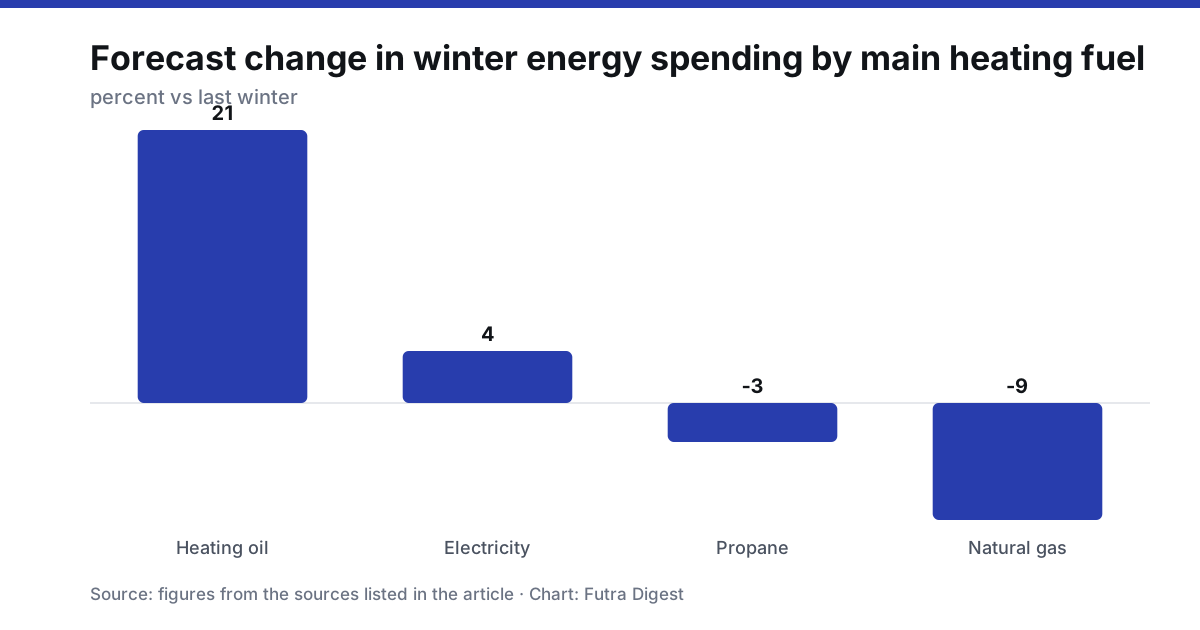
Homes using heating oil as their main fuel, about 3% of the total and mostly in the Northeast, face the biggest rise. EIA forecasts a 21% increase in spending compared with last winter. It expects the price of heating oil to average 34% above last winter’s level, partly offset by warmer forecast temperatures in the Northeast, which had a relatively cold winter last year.
More than 40% of homes heat with electricity and should see average bills up 4%. Natural gas households are forecast to spend 9% less on average and propane households 3% less.
Weather assumptions
EIA expects national average temperatures similar to last winter. Its forecast assumes a warmer Northeast, a much colder West following an unusually warm winter, and temperatures in the Midwest and South similar to last year.
Distillate market and commodity prices
The price gain in heating oil traces to global distillate markets. Reduced global refining activity has cut distillate production, which includes heating oil, and lifted international prices. That raises the cost of imports into the United States and increases demand for U.S. exports. Through the first seven months of 2026, U.S. distillate exports were up 20% from the same period last year, with much of the added volume going to Europe.
With imports costlier and exports in demand, U.S. distillate stocks are low heading into winter. EIA expects inventories in the fourth quarter to be about 11% below the five-year average. The forecasts rest on the agency’s Short-Term Energy Outlook.
Link to earlier EIA data
The stock warning fits earlier EIA readings. In its Sept. 4 analysis of pump prices, the agency reported distillate inventories 14% below the five-year average in the week ended Aug. 28 and a New York Harbor distillate crack spread averaging 74 cents per gallon above gasoline’s since March. Together the two pieces describe a distillate market where thin stocks, strong export pull and wide refining margins coincide.
Prepared with AI assistance from public sources and reviewed under our editorial policy. Not investment advice.